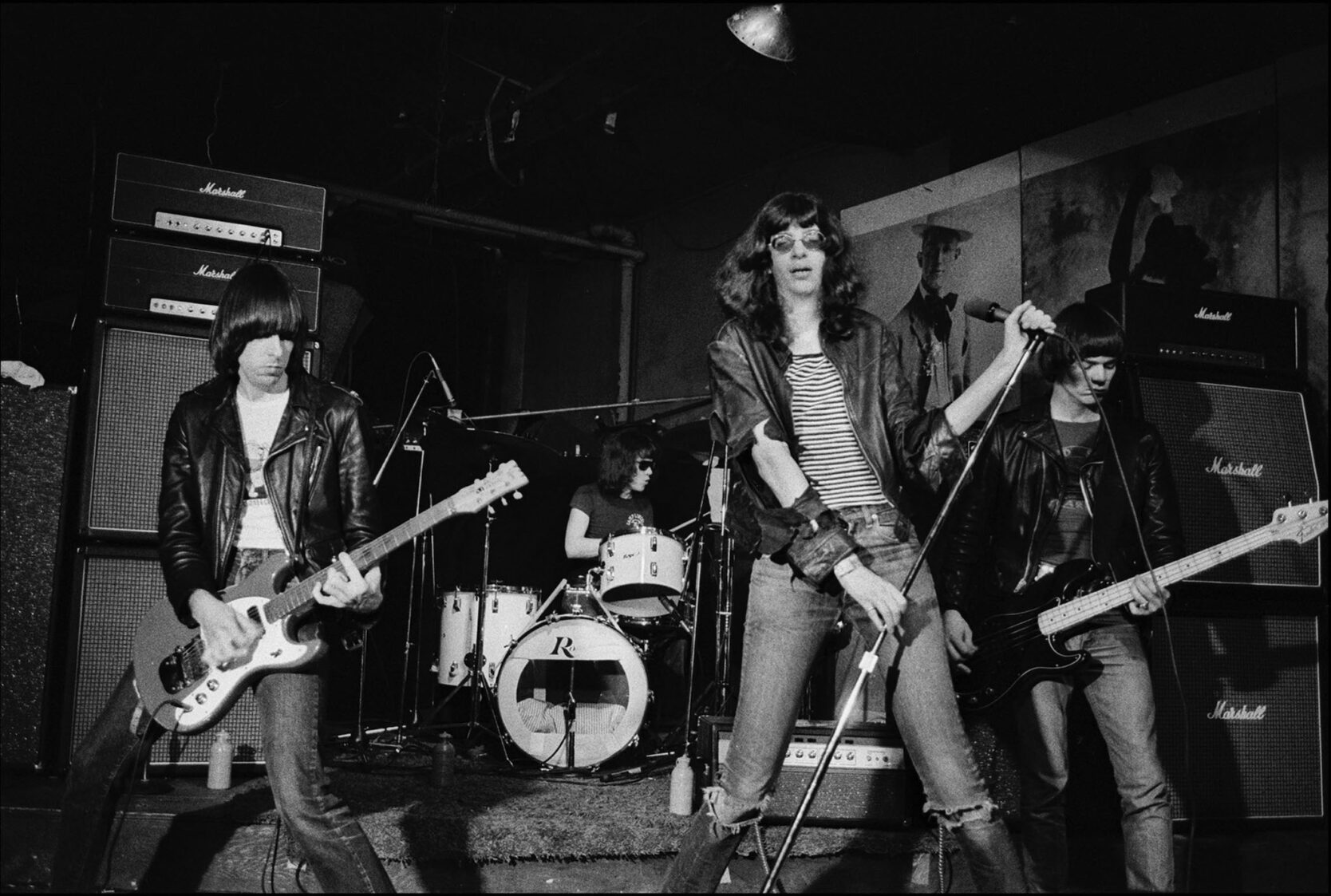
Throughout NYC’s punk scene, different bands and artists rose to fame to become symbols of the emerging genre. From the Ramones to Uniform Choice, the voices of the punk movement in New York varied from artist to artist. Still, they were similar in their music’s overarching themes of collectivity and rebellion. A timeline of prominent artists is shown below to demonstrate how they influenced and shaped the genre into what it is today.
Time
line
1950s-1970s: Crime and drug use rose in the Lower East Side.
1960s
The band Holy Modal Rounders channeled themes of anarchy and the eccentric spirit of the times into their music as part of a genre categorized as “Freak Folk,” which was slightly lighter than traditional punk.
Mid to late 1960s
Bands like the Velvet Underground began embodying a more chaotic sound that is more associated with punk.
Early 1970s
The NY punk scene began evolving, with the New York Doll’s songs like “Personality Crisis” fusing punk with gay culture, and Patti Smith’s album Horses in 1975 incorporating her poetry into her music.

1973-1975
Many unique artists began developing their sound by playing at the club CBGB, including Patti Smith, the Ramones, Television, the Talking Heads, Blondie, the Stilettoes, Suicide, Heartbreakers, Wayne County, Mink DeVille, and Joan Jett. Although Hilly Kristal, the founder of CBGB, originally intended the club to cater to country, bluegrass, and blues music, he later welcomed any artists to play their own music. While the voices of the punk movement varied from artist to artist, they remained collective in their themes of rebellion, with many of the artists carrying countercultural messages in their dynamic music.
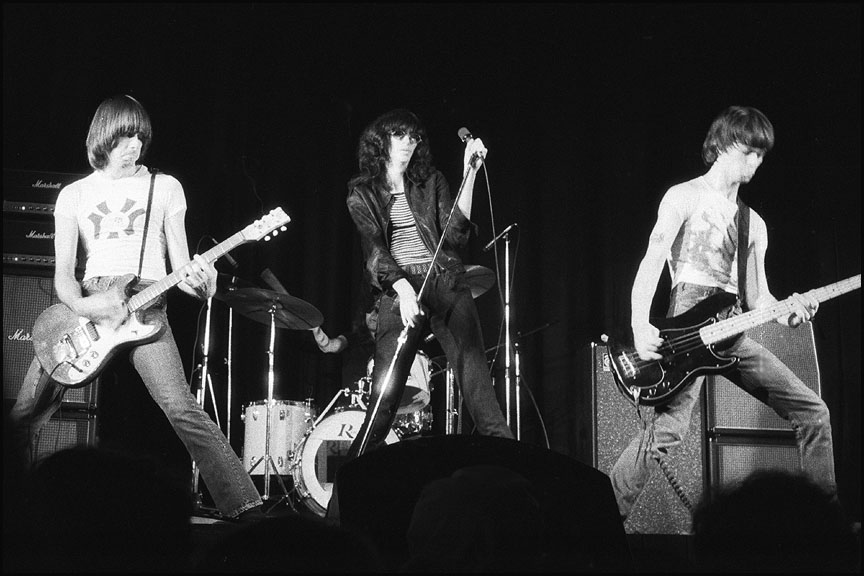
Present
Many of the popular artists in the prime of the NY punk scene have gained cult-followings that continue to be spearheaded by modern fans today. The ways through which punk artists expressed their discontent with their period helped pave the way for the use of music to instigate social change in contemporary times.

This entry is licensed under a Creative Commons Attribution-NonCommercial-ShareAlike 4.0 International license.

