CBGB (Country, Bluegrass & Blues)
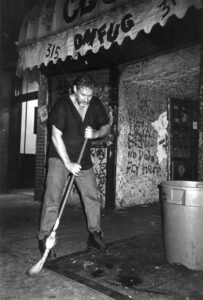
CBGB (Country, Bluegrass & Blues), located in New York’s East Village, began in 1973 with the intention of showcasing country, bluegrass, and blues music. Founded and run by Hilly Kristal, the club initially struggled to gain traction. However, Kristal’s open policy—allowing any band to play original music—ultimately transformed CBGB into the heart of the American punk and new wave movement. His economic approach was equally revolutionary: charging just one dollar to see unsigned acts made CBGB the only club in New York City solely devoted to underground performance. This low-cost, open-access model positioned the venue as a foundation for emerging talent.
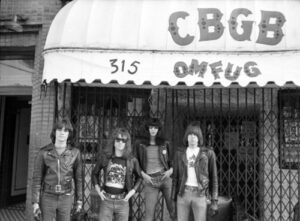
Between 1974 and 1976, CBGB became a melting pot for a new, raw musical energy. Groundbreaking artists such as the Ramones, Patti Smith, Television, Talking Heads, Blondie, Joan Jett, Suicide, Heartbreakers, Wayne County, Mink DeVille, and the Stilettoes began shaping their distinct sounds on its stage. While the musical voices of punk varied from artist to artist, they were unified in themes of rebellion and anti-establishment ideology. Many expressed countercultural messages, rejecting social conformity and commercialism through their lyrics and performances.
The physical space of CBGB also played a pivotal role in cultivating this new scene. The intimate layout placed audience members near performers, effectively dissolving the boundary between artist and observer. In this setting, a collective identity emerged—one not limited to the stage but shared among everyone present. The immersive environment encouraged audience participation and identification with the performers, fueling the growth of a unified punk community.
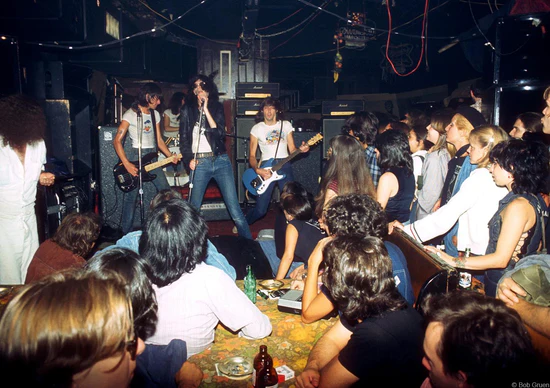
This sense of collectivity extended into visual culture as well. Punk fashion, often characterized by simplicity and rawness, stood in stark contrast to the glamorized styles of mainstream artists. At CBGB, both performers and audience members wore similar attire—leather jackets, ripped clothing, and DIY accessories—further blurring the line between fan and artist. By dressing alike, punks forged an aesthetic harmony that reflected their shared values and strengthened their communal identity.
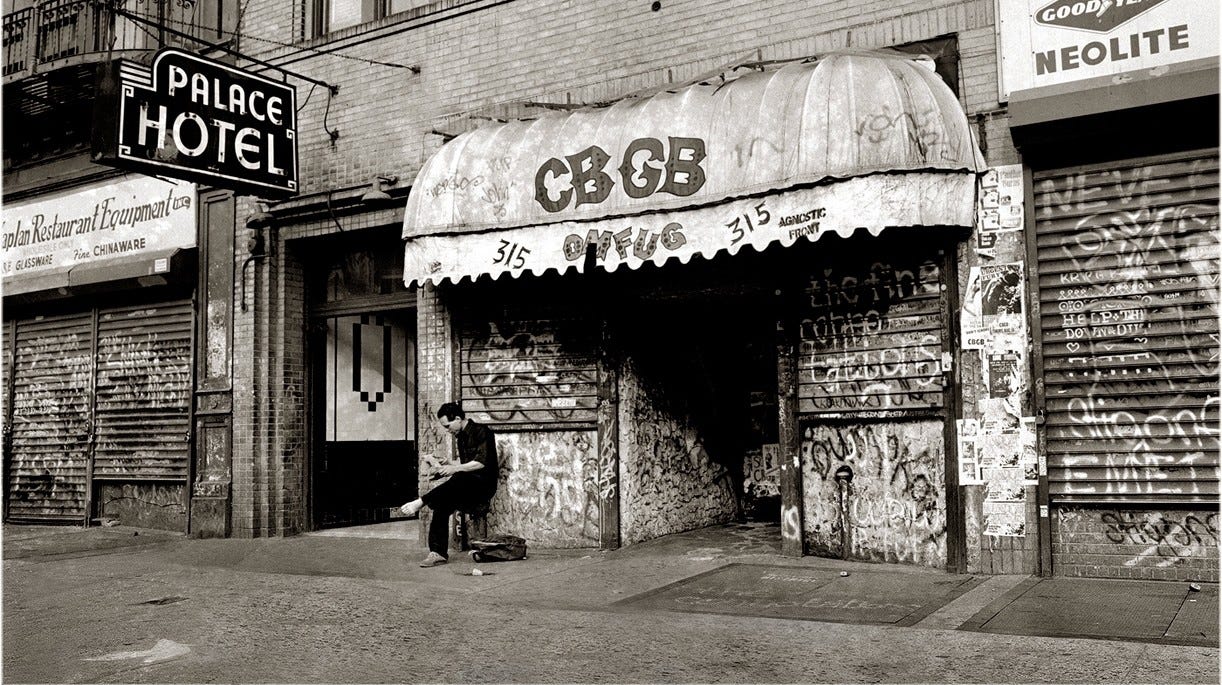
By 1976, CBGB had become synonymous with punk rock and was a vital force fostering the New York punk scene. Though it officially closed in 2006, the legacy of CBGB endures—not just in the fame–but in the cultural and political ethos it helped nurture.
Max’s Kansas City
Max’s Kansas City, located on Park Avenue at 17th Street, was a pivotal cultural melting pot from the 1960s through the 1980s
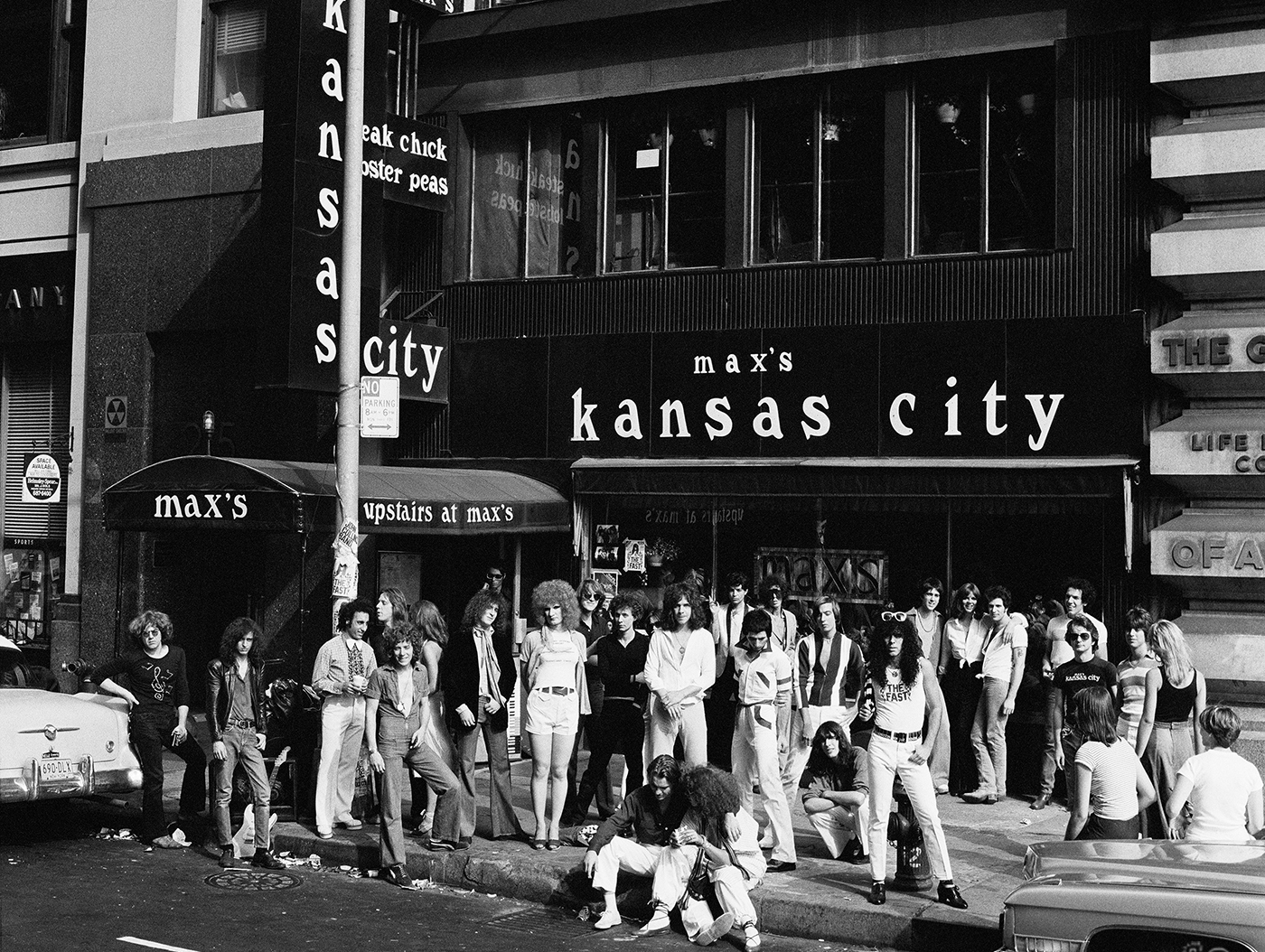
It drew artists, musicians, and performers—among them Andy Warhol, the Velvet Underground, New York Dolls, and Patti Smith—who helped shape punk, glam, and new wave. The venue hosted cutting-edge performances and fostered artistic collaboration, with Iggy Pop, Blondie, and Sid Vicious all taking the stage. It also provided an early platform for emerging acts like Bruce Springsteen and Aerosmith.
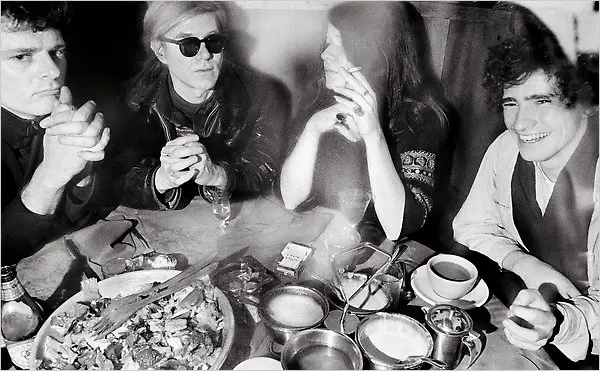

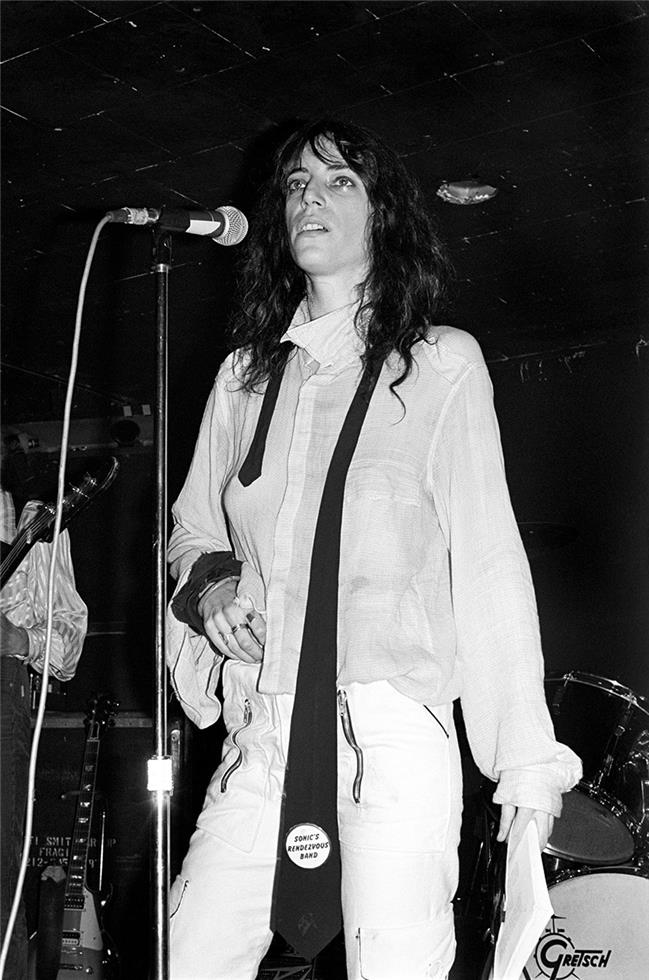
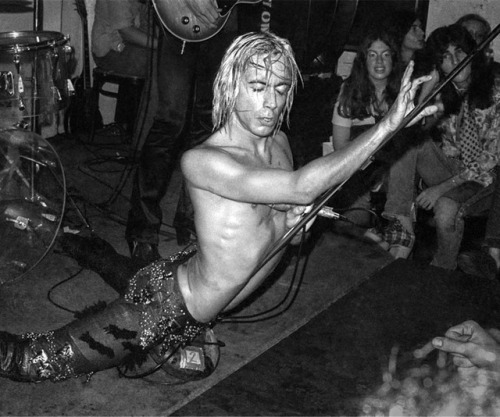
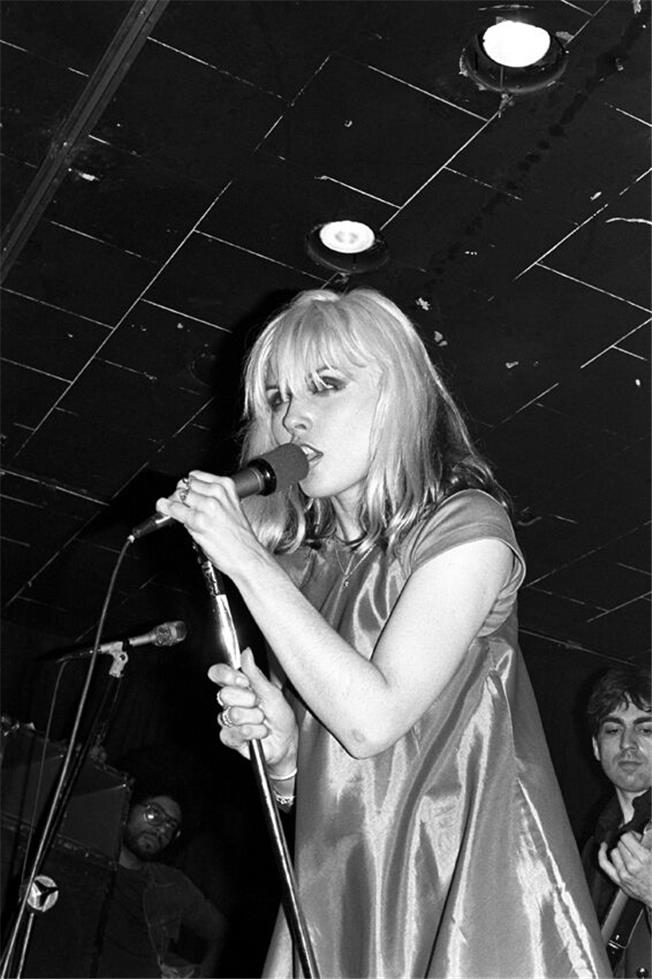

Although Max’s officially closed its doors in 1974, it remained a symbol of New York’s punk community alongside CBGB until its final days in 1981.

This entry is licensed under a Creative Commons Attribution-NonCommercial-ShareAlike 4.0 International license.

