In the late 1970s and early 1980s, New York City’s punk scene was shaped by a young and often overlooked crowd. Many of them were teenagers from schools like Stuyvesant High School, Edward R. Murrow, and Friends Seminary, as well as dropouts and runaways, who were looking for a space where they could express themselves outside the expectations of mainstream culture. Punk gave them that space. Clubs like CBGB, Max’s Kansas City, and Hurrah became gathering spots where age didn’t matter and anyone could participate, whether as a performer or part of the audience.
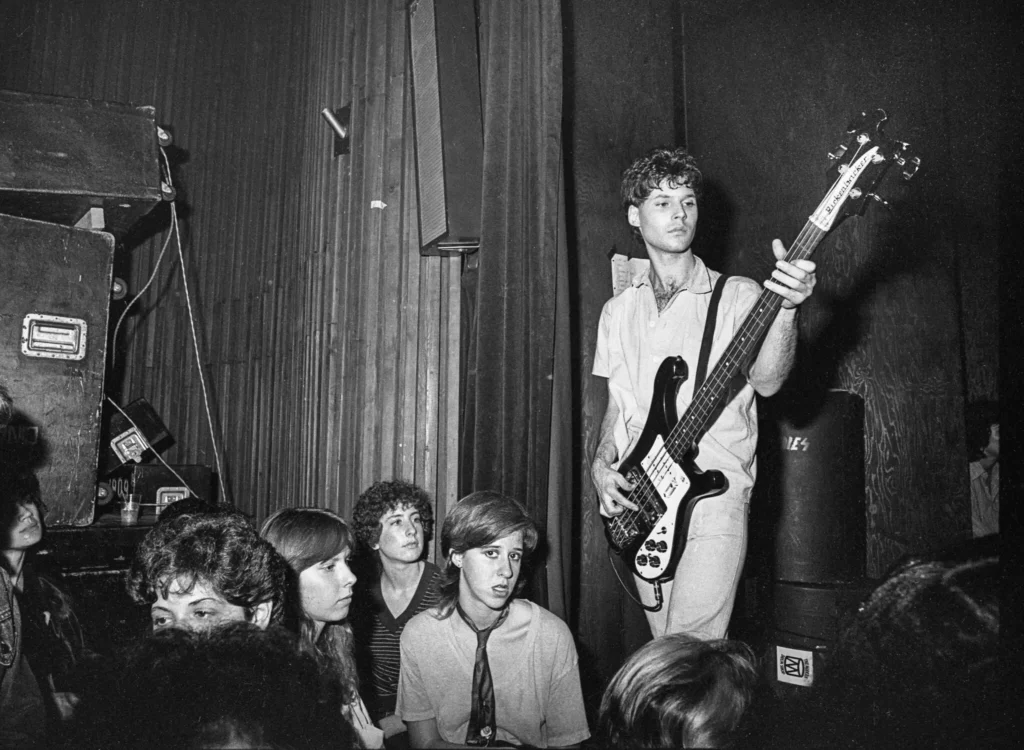
What made this audience stand out was that they didn’t just listen to punk, they also helped create it. Inspired by the idea that anyone could start a band, they formed groups like the Speedies and Student Teachers and got on stage at major venues. Their involvement went beyond music. They were involved in the fashion, the attitude, and the DIY ethos that defined punk (in which the audience had a major role).
The launch of PUNK magazine, a fanzine started in 1975 by John Holmstrom, Ged Dunn, and Legs McNeil, gave the scene a strong voice. The magazine covered the CBGB scene, featured local bands, and introduced punk to a wider audience through comics, interviews, and photos. It also highlighted the contributions of women, who were often overlooked in other music publications.
Punk wasn’t limited to clubs. It was also in the streets, especially in the East Village and the Bowery. Teens in ripped clothes and spiked hair were a regular sight. Fights broke out, music blared, and neighborhoods began to reflect the loud and messy energy of the scene.
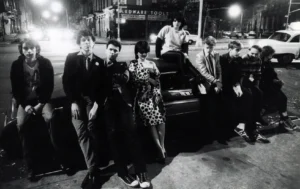
Unlike other subcultures that stayed hidden in private spaces, punks were always out in the open. Their look and behavior challenged public expectations and forced people from different classes and communities to share the same space. Photographer David Godlis, known as GODLIS, captured all of this in real time. Inspired by images of nightlife in 1930s Paris, he saw the punk crowd as a cultural moment worth documenting. His photos preserved the rawness and spirit of a group that wanted to be seen and taken seriously.
The punk audience in New York was never just a group of fans, they were part of the movement. Their presence, creativity, and refusal to blend in helped define one of the city’s most rebellious and important cultural moments.

This entry is licensed under a Creative Commons Attribution-NonCommercial-ShareAlike 4.0 International license.

